The Results Speak for Themselves
3,728
Patients tracked
115,229
Clinical scale assessments administered
11,220
EEG recordings completed
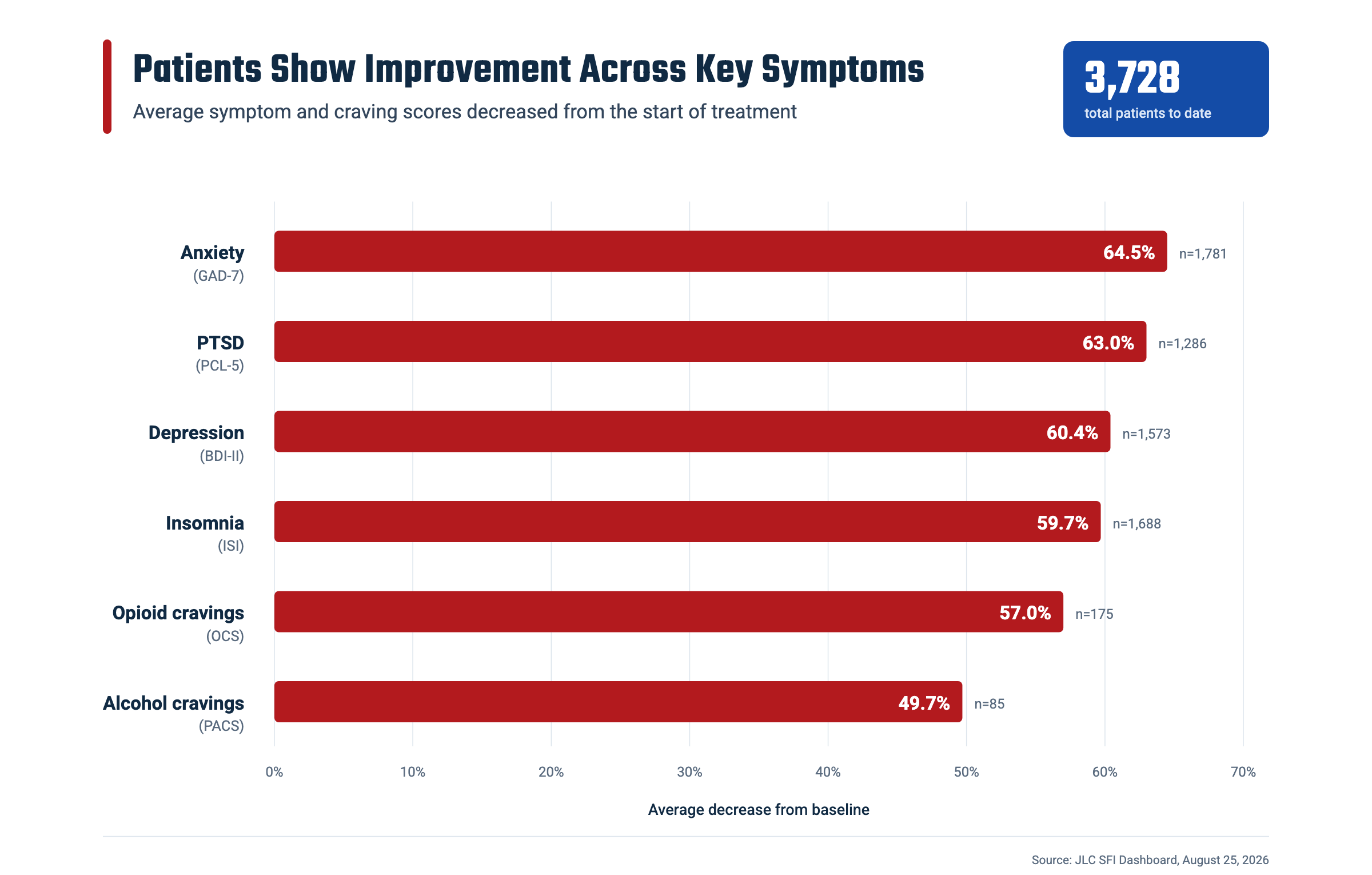
Results of eTMS Patients as of August 2026
This dashboard summarizes outcomes for 3,728 patients tracked across JLC’s State Funded Initiatives, representing 115,229 clinical scale assessments and 11,220 EEG recordings. Most patients sought care for sleep disorders, depression, anxiety, and PTSD, with sleep issues being the most common concern. The data focuses on patients who began treatment after initial assessment and completed their scheduled scales, allowing for meaningful tracking of change over time.
Overall, patients experienced large and consistent improvements across every measured area. On average, symptoms of anxiety, PTSD, depression, and insomnia — along with opioid and alcohol cravings — decreased by roughly 50–65%, meaning most patients cut their symptom severity by about half or more. Taken together, the results suggest that patients not only felt better, but experienced clinically meaningful improvements across multiple aspects of mental and neurological health.
How Outcomes Are Measured
Clinical progress is measured at multiple points throughout each patient’s course of care. Patients complete an initial set of standardized clinical assessments before treatment begins, followed by additional assessments every fifth treatment day. A final assessment is completed at the end of treatment.
This structured approach allows JLC to monitor changes in symptoms and cravings over time and compare each patient’s latest results with their baseline scores.
Our Impact to Date
3,728 patients tracked
Patients represented across JLC’s State Funded Initiatives.
115,229 clinical assessments administered
Standardized scales completed to monitor anxiety, depression, PTSD, insomnia, and substance cravings.
11,220 EEG recordings completed
EEG data collected to support clinical monitoring and treatment insights.
Dashboard totals current as of August 25, 2026.
What is eTMS?
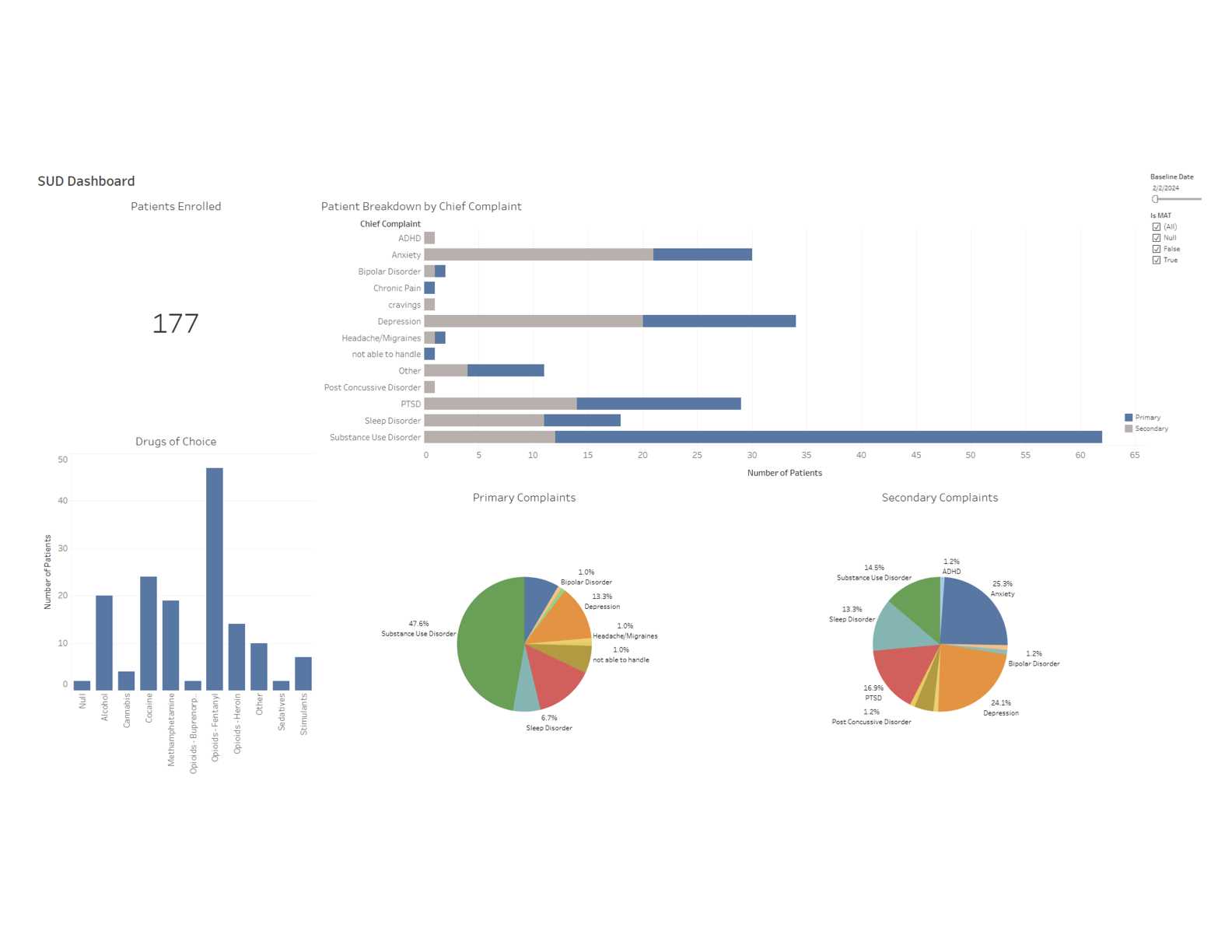
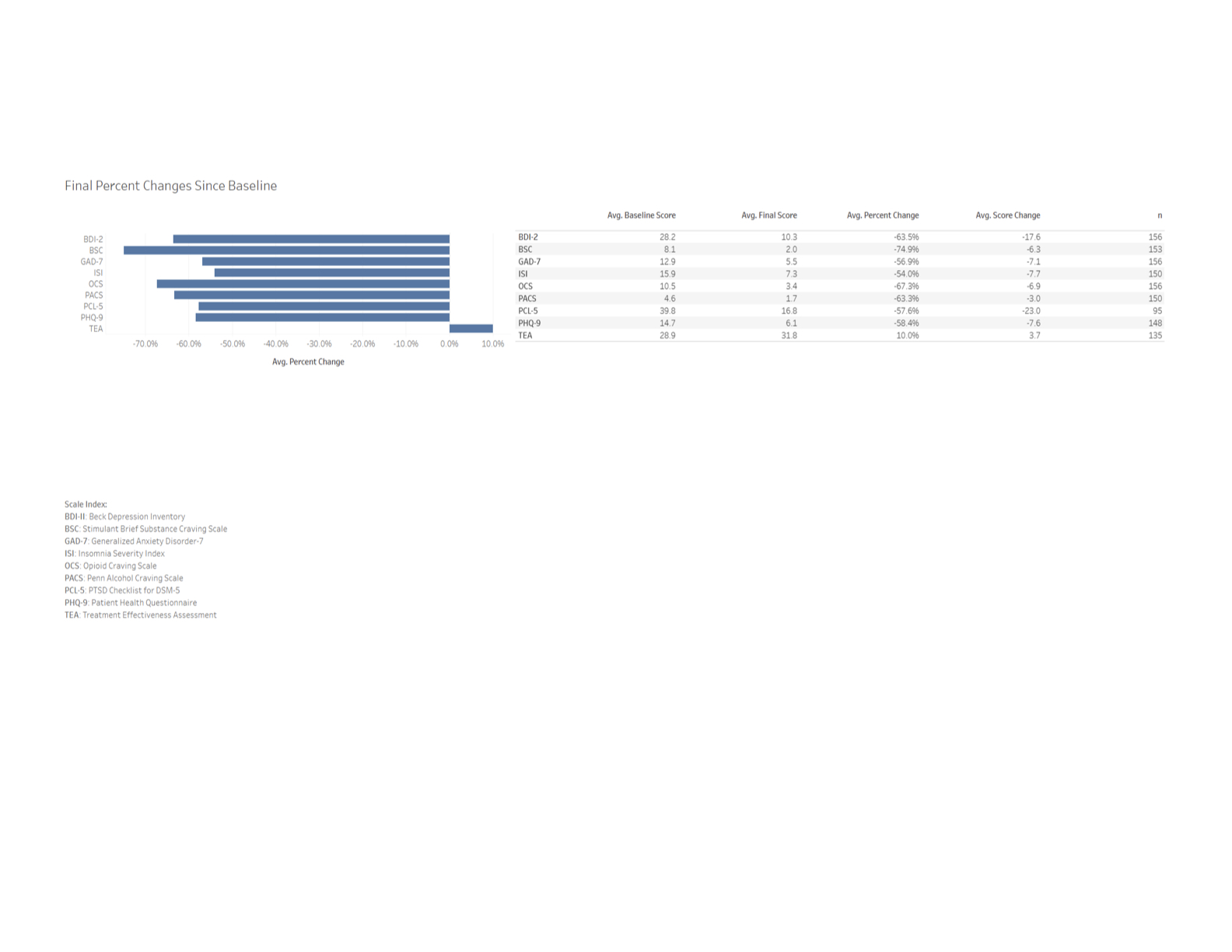
Results of Opioid, Fentanyl, and Other Substances Pilot as of April 2026
Ready to experience results like these?
Whether you’re a veteran, first responder, or someone looking for a new path forward — we have a program for you.
eTMS Ohio & eTMS Florida — State-funded, no-cost treatment for eligible veterans, first responders, and law enforcement. Visit etmsohio.com or etmsflorida.com.
D2 Human Performance — Open to all individuals. Insurance, cash pay, and payment plans available. Visit d2hpcenters.com.
Brain Treatment Center Fayetteville — Personalized MeRT therapy in Fayetteville, NC. Visit braintreatmentfayetteville.com.
Not sure where to start? Contact us and we’ll help you find the right path.